
Watch
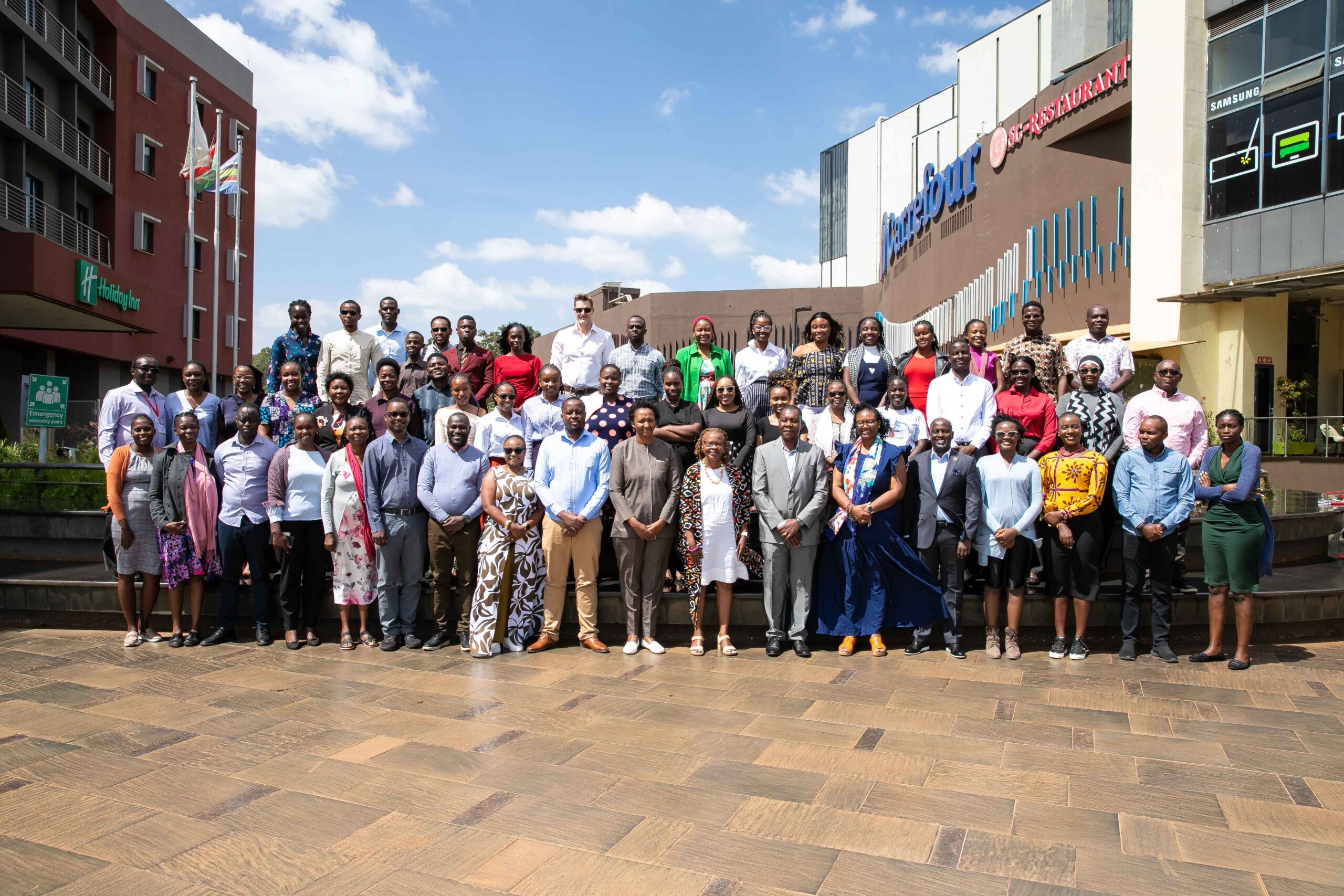
The Young Impact Associates (YIA) Agriculture Impact Fellowship aims to strengthen data-driven leadership and amplify the role of young African professionals in evidence-based decision-making across agrifood systems. Targeting professionals under 35 years of age, the Fellowship offers immersive training focused on leadership, impact measurement, and using evidence to inform programming and policies. The program is implemented in three countries: Ghana, Kenya, and Uganda and participants are competitively selected through an open Call for Applications.
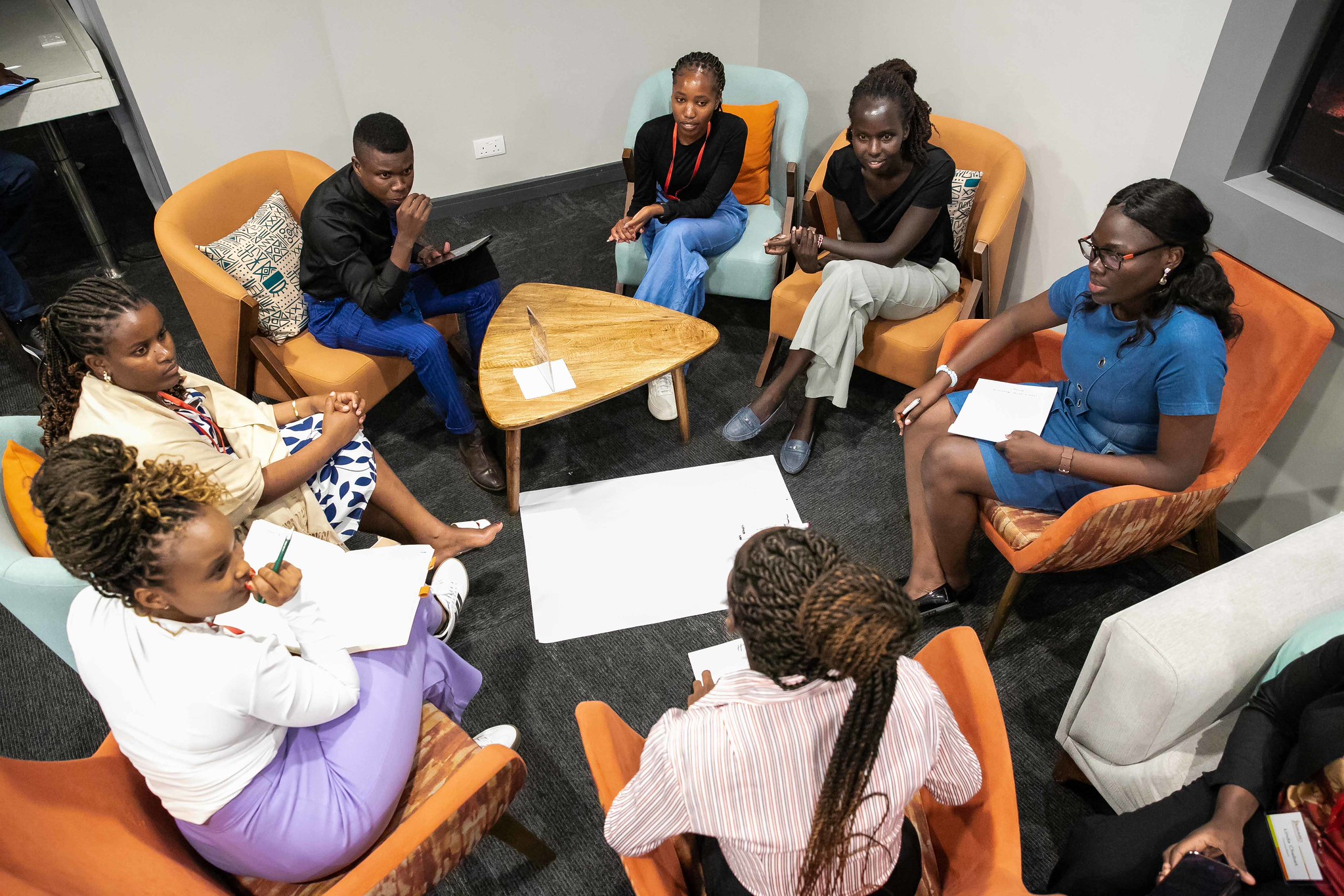
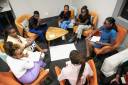
The Fellowship includes an interconnected set of immersive activities that focus on leadership and technical development, enabling the Fellows to master an array of techniques on monitoring, evaluation and learning (MEL). The Fellowship adopts a practice-oriented approach, combining theoretical learning with hands-on experience. The selected Young Impact Associates undertake the following activities:
Customized Training Programs
Masterclasses
Work Placement and Coaching
Young Impact Associates are placed for six-month internships that seek to provide them with practical exposure to real-world impact measurement work. During this period, the Fellows are assigned tasks aligned with Fellows’ profiles and professional interests, and there is continued coaching and professional supervision.
Vicky Jebet focuses on connecting data, science, and people to drive equitable, evidence-based decisions in agriculture and development, supporting climate resilience and community adaptation. She is motivated to align people, information, science, and just systems to build equitable, resilient agricultural systems that translate knowledge into improved livelihoods.
I would like to grow as a changemaker who uses data not just for analysis, but for real-world transformation, especially within Africa’s agrifood systems. Coming from a geoinformation and sustainability background, I’ve seen how data can guide better decisions, but also how disconnected impact measurement can be from the people it’s meant to serve. I want to bridge that gap.
Susan Edith Asira’s work focuses on building climate-resilient communities through practical, grassroots solutions that empower women and youth. She also freelances in digital storytelling and strategic communication for environmental organizations, designing social media content to amplify impact, engage audiences, and drive climate action. Her motivation comes from seeing meaningful change in people’s lives and communities.
My goal is to help local governments and stakeholders institutionalize sustainable monitoring and evaluation practices, ensuring that projects deliver lasting value to smallholder farmers, women, and youth in agriculture.
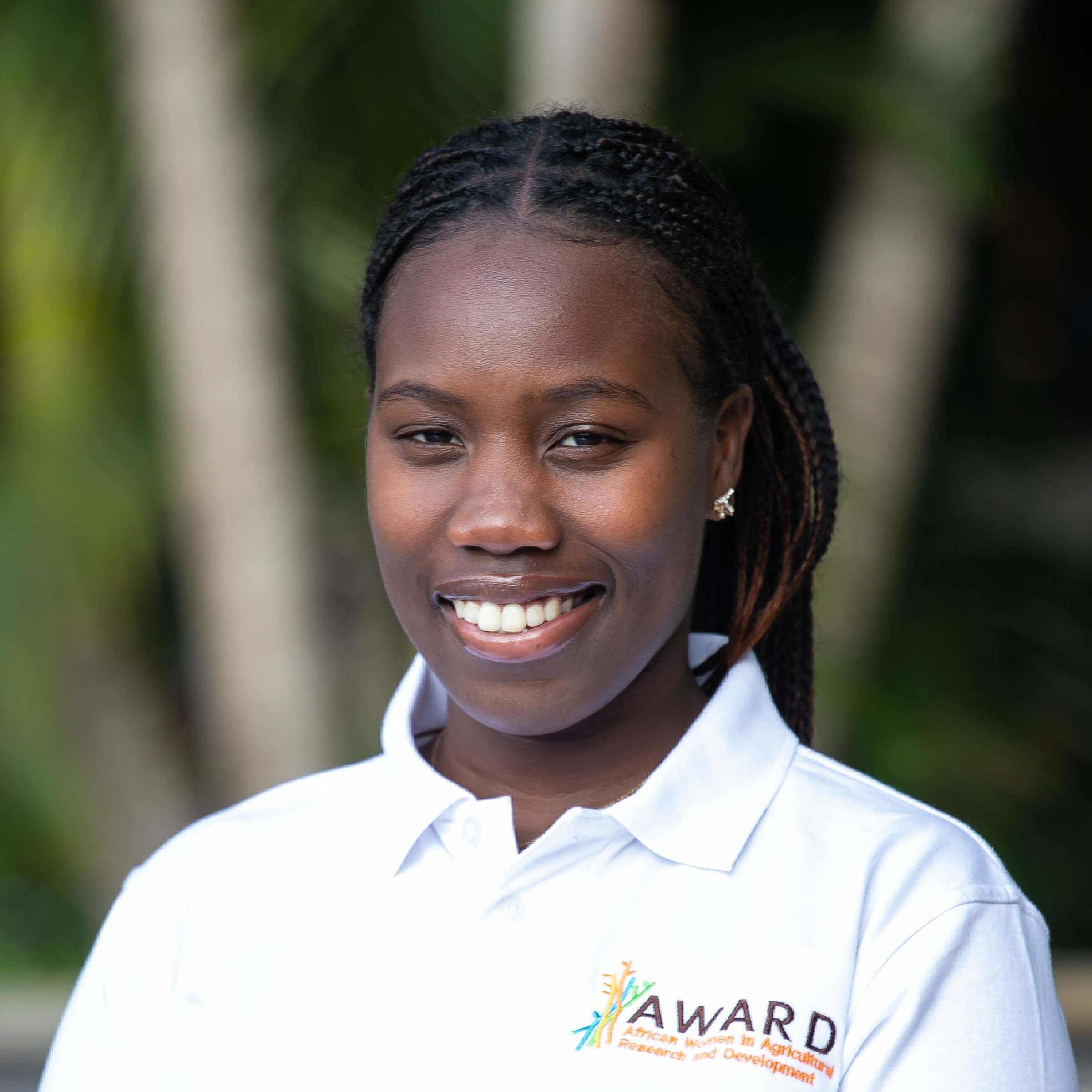
Rhodah Cherotich is a Junior Cooperative Advisor at Agriterra. She works with farmer organizations to help them build strong, well-governed, and bankable cooperatives. Her experience spans dairy, coffee, and cereal value chains, with prior work in the potato and bean value chains across various programs. Her work integrates climate-smart agribusiness, food security, ASAL development, and sustainable development approaches. She supports implementation, provides advisory services, and contributes to business planning and strategic development for cooperatives. Continuous learning, hands-on experience, and the opportunity to apply that growth to create meaningful impact drive her work.
I work closely with farmer groups and observed a recurring gap between well-intended interventions and measurable, long-term outcomes. This gap limits the effectiveness and scalability of programs meant to improve livelihoods.

Muthoni Esther Athinya is a Project Support Officer at the Pan African Climate Justice Alliance (PACJA). She supports the implementation of the African Activists for Climate Justice program, which ensures that the voices of those most marginalized by climate change are heard. She is motivated by work that makes a positive difference in people’s lives.
I believe that real progress begins at the local level in the grassroots communities’ lives. However, many impact evaluations are disconnected from the lived realities of the communities at the local level. Participating in the fellowship will help me bridge the gap between data and reality.
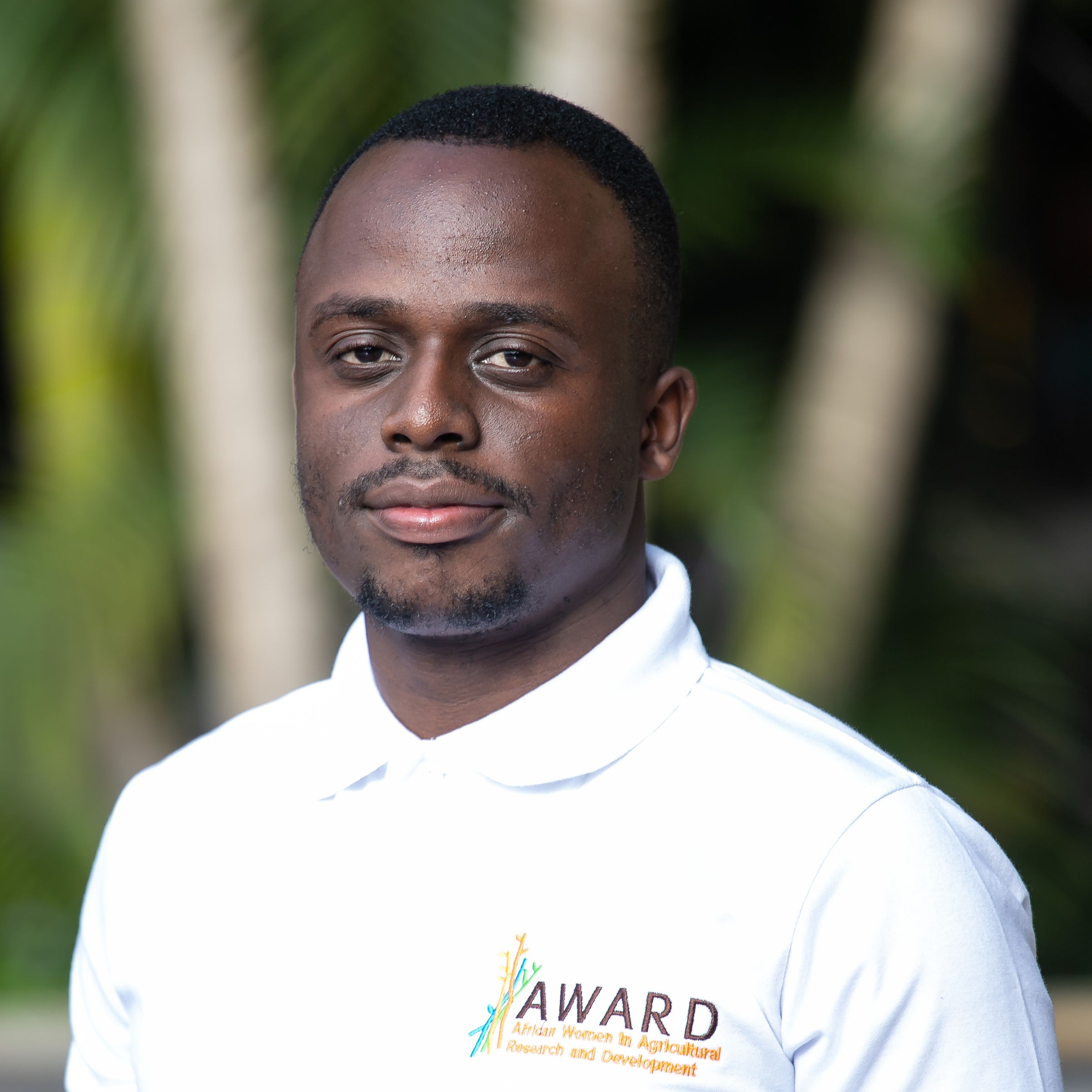
Moses Abuko Bulimo is a part-time researcher and Data Analyst at East Africa Market Development Associates (EAMDA). He is results-oriented and consistently strives to deliver, regardless of the complexity of an assignment, through consultation and continuous learning. He is driven to become an M&E consultant and to make an impact on people’s lives. Each day, he is motivated by this goal and remains committed to achieving it.
I would like to deepen my expertise in impact measurement to ensure it reflects the lived experiences of rural communities, particularly women and marginalized groups, and make the small holder farmer the real beneficiaries of sustainable change.

Millicent Achieng is driven to solve real problems on the ground with science that works. She takes full ownership of her work, from identifying problems to delivering reliable, usable results. She is inspired by efforts that deliver tangible impact, turning research into real solutions for individuals and communities.
Scientific innovation alone is not enough. There is a need for impact-driven approaches that translate research into real-world solutions for smallholder farmers. I hope to bridge the gap between agricultural research and its real-world impact, driving positive change in agrifood systems across Africa.

John Mutysia Micere holds a Bachelor’s in Economics and Statistics and has experience in agricultural development, youth engagement, and data collection. His work includes farm profiling for the NAVCDP project, youth engagement through EKYAN (KUZA–UNICEF), and coffee geo-mapping as part of the EUDR data exercise by the Agriculture and Food Authority. He is passionate about using data, community involvement, and partnerships to promote sustainable agriculture and rural development. He is motivated to contribute to development work that improves livelihoods, empowers youth, and sustains agricultural systems.
I would like to strengthen my capacity as a data-driven changemaker in Africa’s agrifood systems. I have seen how accurate data, when well analyzed and communicated, can transform policies, improve farmers’ livelihoods, and drive youth inclusion.
Fancy Chepngetich Byegon is passionate about using technology, research, and data-driven approaches to develop practical solutions to real-world challenges, especially in agriculture, youth development, and community empowerment. She is driven by the opportunity to make a meaningful impact by seeing ideas become practical solutions that improve people’s lives.
I believe the fellowship will provide me with the tools and network to amplify my impact. The skills in leadership, impact measurement, and project management that I will develop will be instrumental in helping me lead scalable agricultural projects that can positively impact communities.
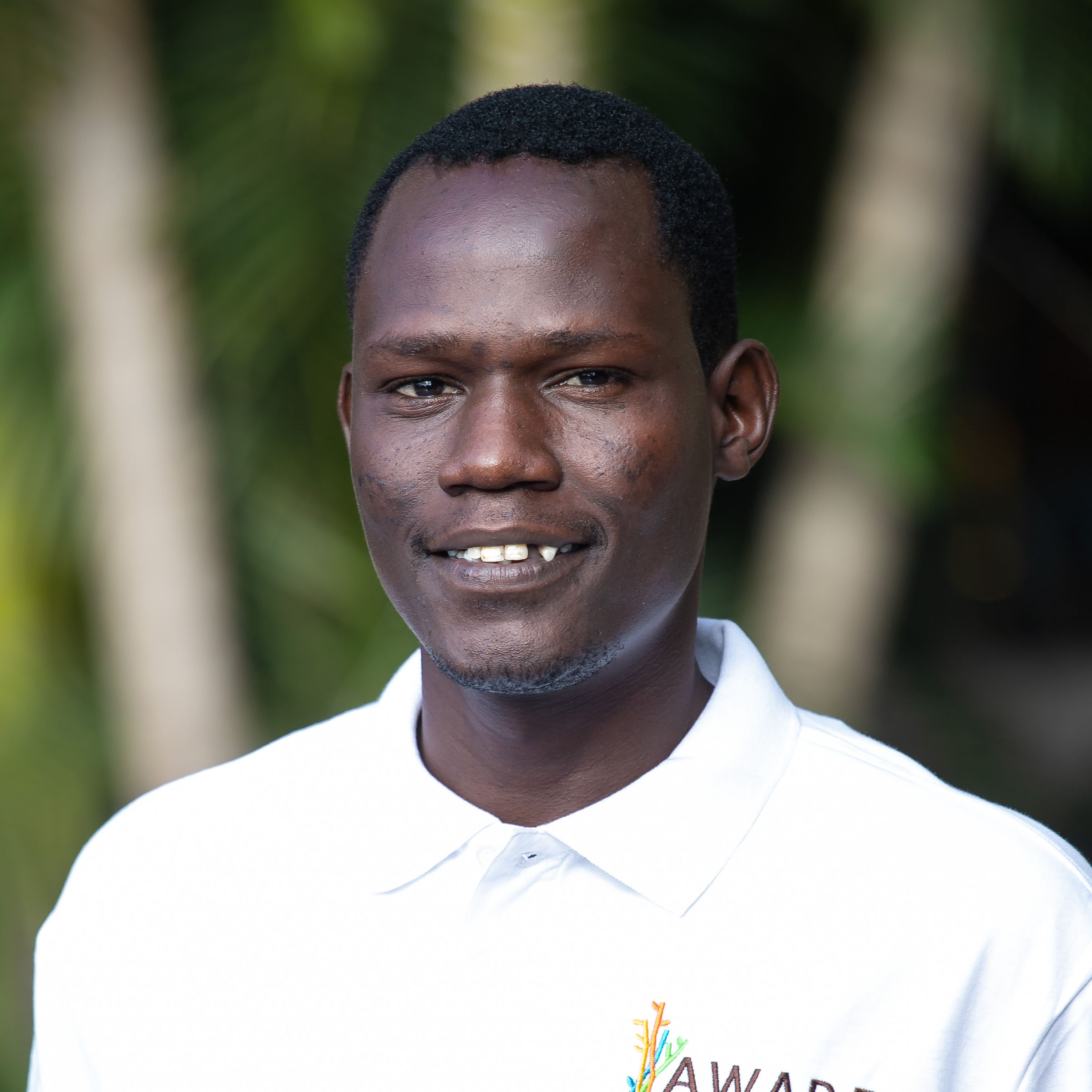
Dominic Amanya Suleiman is a researcher, social entrepreneur, passionate environmental advocate, and dedicated mentor. He is affiliated with Kakuma Social Agri-Ventures, an organization focused on sustainable agriculture and community development in Kakuma through agribusiness, climate literacy, and waste management. He is motivated by a passion for creating opportunities for his community, particularly for young people and refugee communities, where opportunities are limited. He is committed to moving from dependency to dignity, self-reliance, and impact.
My passion is driving transformational change in Africa’s agrifood systems through data-driven decisions. I am committed to adopting consulting practices that leverage data to measure impact and create meaningful change.
Charity Mueni Mulwa has a background in Applied Statistics, with training and research focused on data analysis, statistical modeling, and the application of quantitative methods to development and climate-related challenges, supporting evidence-based decision-making. She is motivated to apply data-driven approaches to solve real-world problems and contribute to sustainable development and social impact.
I aim to design, implement, and assess programs that improve livelihoods, promote food security, and empower marginalized communities, particularly women and youth.
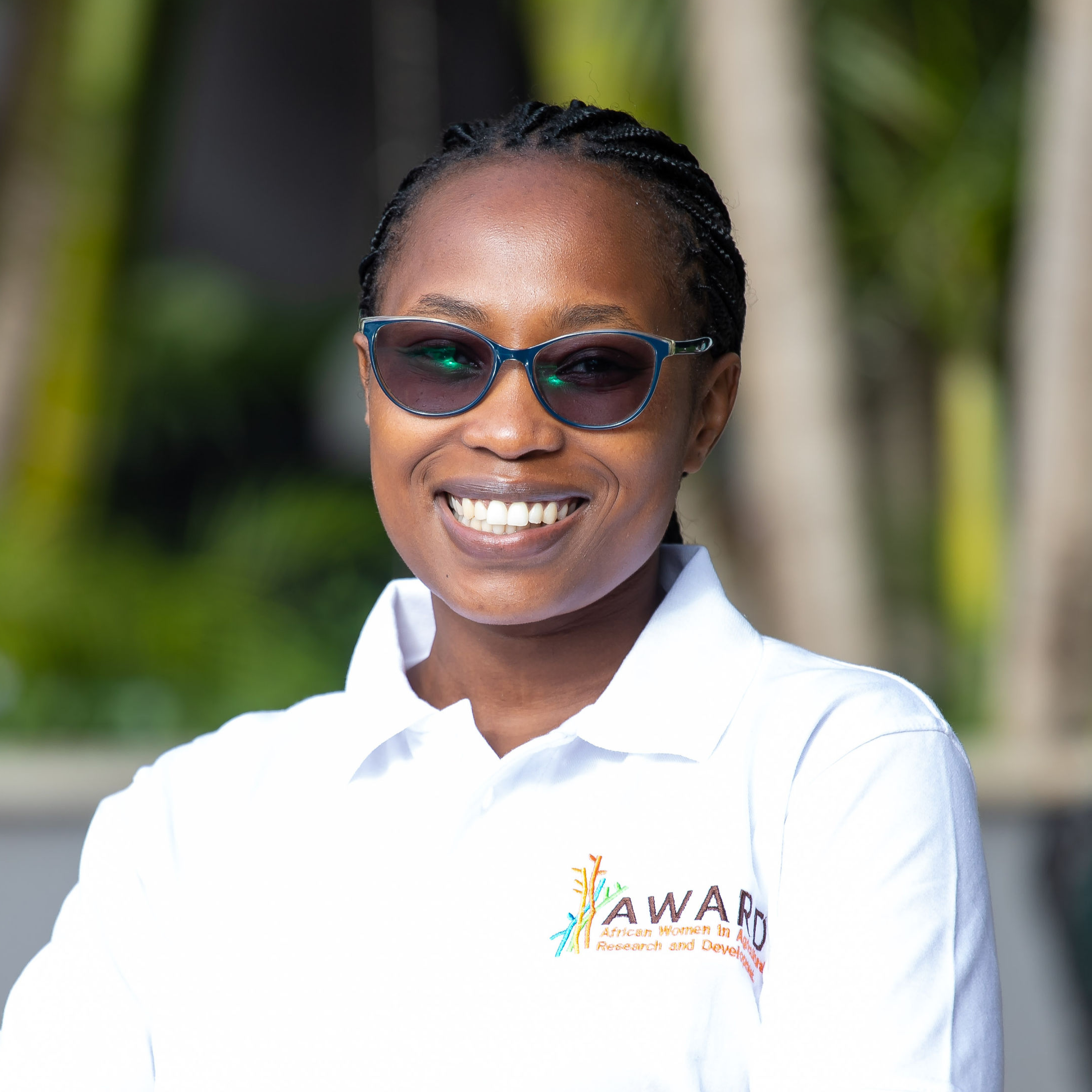
Careen Jepchirchir is focused on value addition for cactus plants to create climate-resilient farming alternatives in Arid and Semi-Arid Lands. Guided by adaptability as a core leadership trait, she navigates uncertainty, adjusts strategies quickly, and leads effectively while staying focused on impact. She is driven by a deep commitment to seeing Africa achieve self-reliance through sustainable, locally driven solutions.
I work with women and youth in arid regions of Kenya to transform the drought-resilient Opuntia cactus into nutritious food and sustainable fashion products, recognizing the need for stronger networks, mentorship, and strategic guidance to scale impact more effectively.
Brenda Chemutai’s work focuses on applying data-driven, community-centered approaches to address challenges in climate, soil health, and sustainable agriculture. She is motivated to develop meaningful, evidence-based solutions that improve livelihoods while protecting the environment. Seeing research translate into real-world impact for communities, especially smallholder farmers and young people, fuels her commitment to leadership and service.
I would like to strengthen my ability to design and evaluate impactful interventions in climate-smart and urban agriculture.” I aspire to become a leading expert in designing data-driven solutions that improve food security, livelihoods, and environmental sustainability in African cities and peri-urban areas.

Wabuya Hudson is the Community Engagement and Advocacy Lead at United Persons with Disabilities. He is a purpose-driven leader who believes in fairness, inclusion, and meaningful impact. He is committed to creating spaces where everyone, especially persons with disabilities and marginalized voices, can participate fully and with dignity. He leads with integrity, listens carefully, values collaboration, and takes responsibility for delivering results, while remaining open to learning, feedback, and growth. He is motivated to create positive change, especially by breaking barriers that limit people’s opportunities. Seeing individuals, particularly persons with disabilities and marginalized groups, gain confidence, access, and dignity through inclusive systems drives him to keep learning, leading, and working toward real, lasting impact.
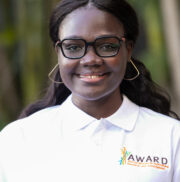
Ayebale Zaitun focuses on deriving meaning from data to inform decision-making. She is adaptable in her approach to work and analysis. She is motivated by the opportunity to spread love and contribute to measurable change in people’s lives.
My experience has fueled my passion for using data and evaluation to influence program design and policy decisions. I am excited by the opportunity to learn from experts, gain exposure to cutting-edge practices, and engage with a community of professionals.
This fellowship will not only enhance my technical and leadership capacities but also position me as a champion of change capable of improving food systems and livelihoods through impactful, context-specific measurement and learning.

Otim Jonathan is the Research and MEL Manager at Advancing Women in Economics Research in Africa, a gender-focused agricultural and economic research organization. He demonstrates communication, active listening, and accountability as key leadership traits. His motivation stems from a strong desire to continually challenge himself to become the best version of himself.
I am particularly passionate about making agricultural policies more responsive to the needs of smallholder farmers, women, and youth, whose contributions are often overlooked in conventional evaluation systems.
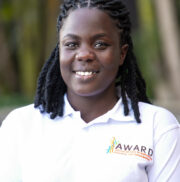
Akiror Annet Ruth is guided by principles of effective communication, reliability, teamwork, and performance in her professional conduct. She is motivated by a commitment to continuous learning, engaging interactions, and fostering growth and collaboration within her environment.
I aspire to become a leading social entrepreneur and change-maker, driving innovative solutions to address the complex social and environmental challenges facing my community and the world.
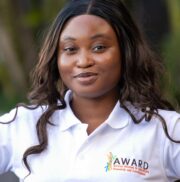
Suzzane Osei is a Project Officer at Sustainable Development Alliance. Her work involves engaging with vulnerable people in society, mostly women, with a focus on building their economic agency through various projects. She prioritizes tasks effectively, distinguishing those that require critical attention at any given time while managing fewer, more demanding ones without mixing them. She is motivated by her father, who has sacrificed greatly to support her journey, and she strives to make him proud every day.
My experiences have shown me how crucial it is to go beyond implementation and truly understand how interventions affect livelihoods, inclusion, and resilience. I want to build practical skills in impact measurement, gender integration, and safeguarding so I can design and support more inclusive, data-informed programs.
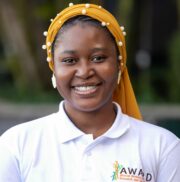
Suhuyini Karmil is a Gender and Development Specialist who partners with organizations to conduct gender analyses, develop strategies, and integrate gender-transformative methods into programs. Her approach is community-based and evidence-driven, aiming to achieve genuine change in power dynamics, norms, and accountability. Motivated by translating lived experiences into effective policies, she seeks to bridge the gap between well-meaning policies and daily realities, believing that robust evidence, partnerships, and leadership can create more equitable and accountable institutions.
More than just a learning experience, this fellowship is a chance to be part of a movement that ensures agriculture works for everyone, especially those who have been historically excluded.
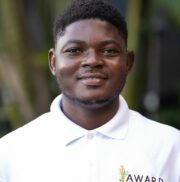
Godwin Abugatwin Abugbilla is an Administrative Coordinator and Program Support Associate at Ashesi University. His work focuses on supporting the success of first-generation students through program coordination, career readiness initiatives, and leadership development, particularly for students from underserved communities. He designs and manages systems that help students transition confidently into internships, employment, and social impact careers, while ensuring efficient program delivery and strong stakeholder engagement. Motivated by the potential for systemic change, he believes that well-informed, empowered youth can influence Africa’s future development.
My primary motivation for applying to the YIA Fellowship is a profound commitment to advancing sustainable agricultural development and evidence-based impact measurement in Africa. However, I recognize the need to strengthen my technical expertise, particularly in designing and evaluating high-impact interventions that promote resilience, food security, and economic empowerment.
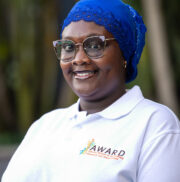
Bilqees Badua Frimpong focuses on improving food systems to promote nutrition, public health, and sustainability, especially through Ghana’s indigenous crops. Her work aims to reduce malnutrition and diet-related diseases by improving food quality and safety, and by fostering innovation. She applies food chemistry and product development to strengthen the link between agricultural production, post-harvest systems, and safe, nutritious food. Motivated by hunger and malnutrition, she believes food systems should provide not only enough food but also health, dignity, and sustainability for communities in Ghana and beyond.
I look forward to gaining skills and experience to support impactful community-based projects, manage food-related initiatives, and promote sustainable agriculture that improves food access and nutrition across Ghana and beyond.
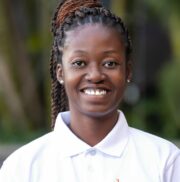
Anita Asantewaa Appiah-Adjei approaches her work with consistency, dedication, and a focus on creating a positive impact. She is cheerful, empathetic, and loyal, guided by a strong commitment to uplifting others and spreading kindness. She lives purposefully and joyfully, leaving a lasting positive mark wherever she goes.
My strong desire is to lead evidence-based, people-centered change in Africa’s agri-food systems. With a background in agroforestry and conservation, I have seen gaps in translating field-level impact into policy-relevant evidence.
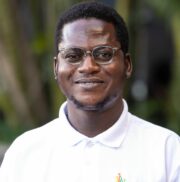
Abdul-Karim Ngoliba is the Founder and Chief Executive Officer of Ngoliba AgriVentures, a women-centered agritech social enterprise working to transform smallholder farming in Northern Ghana. His work focuses on improving productivity, incomes, and climate resilience for women and youth farmers by expanding access to climate-smart inputs, agronomic training, affordable mechanization, and stronger market linkages. He is particularly interested in how impact measurement and gender-responsive approaches can drive more inclusive and sustainable agrifood systems. His goal is to create practical, scalable solutions that improve livelihoods for rural communities, especially women farmers, grounded in the belief that agriculture can be both economically viable and socially transformative when designed intentionally. He is also motivated by the opportunity to create measurable, lasting impact in agriculture and food systems and by seeing people and communities thrive when given the right support, tools, and opportunities.
I am excited to join a community of changemakers transforming Africa’s agrifood future. I hope to connect with individuals working on gender-inclusive agribusiness models, youth engagement in agriculture, and climate-smart farming practices.
Watch





The Young Impact Associates is supported by the Mastercard Foundation and implemented through a consortium of IPOs, comprising CIFOR-ICRAF, African Women in Agricultural Research and Development (AWARD), African Institute for Development Policy (AFIDEP), and Akademiya2063.